
Specialist Care at Home in the UK
Support Centred Around Individual Needs
Condition-specific care at home, adapting as needs change with clarity and reassurance for families.
When care needs start to change, it is quite common to feel unsure about the right support. Our team explains specialist care in a clear and calm way so you can make informed decisions with confidence.
Designed for Specific Conditions
Care built around the individual’s condition, not a generic routine adapting as needs evolve over time.
Safe and Supported at Home
Specialist care in a familiar environment maintaining routines, comfort, and dignity throughout.
Clarity and Reassurance for Families
No jargon, no pressure. Clear conversations that help families understand the options and plan ahead confidently.
Specialist Care at Home
When Care Needs Become More Personal
Specialist care at home is for people who need more consideration and support than standard home care can offer but whose needs do not require a hospital or high-dependency clinical setting. This type of care is about the whole person: their condition, their daily life, their confidence, and their emotional wellbeing.
What Specialist Care at Home Means
Specialist care at home goes beyond a simple list of tasks. A person’s situation, their illness, their physical mobility, their memory, their confidence, and their emotional health are all taken into consideration when care is planned.
This type of care is care-led not medical-led. It works alongside healthcare services where needed, but its purpose is to support daily living and quality of life, not to deliver medical treatment.
At its core, specialist care helps people:
- Remain safe and well supported at home
- Sustain independence for as long as possible
- Experience care that genuinely adapts as needs change
- Avoid unnecessary disruption to their daily life and routines
Specialist care at home supports individuals whose needs have become more specific and progressive over time and families who are beginning to notice that general home care no longer quite meets those needs.
This often includes people living with dementia or memory-related conditions, Parkinson’s disease, stroke aftercare, arthritis or frailty, and long-term neurological or age-related conditions.
This kind of care understands that two people rarely experience a condition in exactly the same way support is tailored to the individual, not just the diagnosis.Specialist care can be very effective when needs change day to day, when familiar routines matter greatly, and when understanding a condition is as important as practical help.
Many families arrive at specialist care after a gradual period of change rather than a single defining moment. Recognising the signs early helps families plan thoughtfully rather than reactively.
You may begin to notice:
- Increased confusion or forgetfulness
- Reduced mobility or loss of confidence
- Changes in mood, behaviour, or daily routine
- Greater reliance on family members for support
- Growing concern about safety or carer consistency
Specialist care offers families a structured way forward, providing reassurance through understanding rather than urgency or pressure.
Specialist care at home is available throughout the UK so people can remain in their own homes while receiving support that is completely suited to their individual requirements.
Care is designed around the person’s health and daily activities, their living environment, the role of the family, and long-term stability rather than short-term solutions.
Providing care at home promotes:
- Comfort and familiarity in a known environment
- Continuity of daily routines and habits
- Less disruption to everyday life
- Stronger bonds between carers and those they support
Understanding specialist care is usually the first step not a commitment. Many families find that simply talking things through and getting clear answers helps enormously before any decision is made.
A calm, honest discussion can help you work out whether specialist care is the right level of support, what care at home might practically look like, and how needs could change in the future.
There is no obligation to rush. The goal is to give understandable, professional guidance so that decisions are well informed and made at a pace that feels right.Ready to Understand Whether Specialist Care Is Right?
Speak with British Elderly Care no commitment, no urgency, just clear and honest guidance.
What Specialist Care Really Means in the UK
Specialist care is not medical treatment it is care shaped around specific conditions, designed to support daily life at home with understanding, consistency, and respect for the person.
Specialist care in the UK refers to personalised home care tailored to a specific health condition, where deep knowledge of that condition is essential to providing appropriate daily support.
Rather than focusing only on tasks, specialist care focuses on how a condition affects everyday life, how routines need to adapt over time, how care can reduce uncertainty and stress, and how support can remain personal and consistent.
Specialist care can be delivered in people’s homes so they remain in a familiar environment while the support still reflects their condition, preferences, and pace of life.
At its heart, specialist care is care-focused rather than treatment-focused. It enables people to carry on with daily activities safely and with confidence not to diagnose or treat disease.At British Elderly Care, specialist care is viewed as a considerate extension of normal daily life supported by respect, understanding, and continuity. Good care starts with listening, and taking time to understand how a condition affects daily life, routines, and general wellbeing without applying a predetermined approach.
The focus is on helping people stay comfortable and self-assured at home, while making families feel genuinely informed and supported. This aligns with a commitment to clear communication, person-centred care, and support that changes gently as needs develop.
Guidance is given at your own speed, without any pressure to reach a decision before you are ready.Specialist care supports daily life rather than delivering medical treatment. While it may work alongside GPs or community teams, it focuses on the person’s experience at home not clinical intervention.
What specialist care focuses on:
- Keeping routines familiar and predictable
- Clear communication and ongoing reassurance
- Supporting mobility, confidence, and independence
- Emotional and practical wellbeing at home
What specialist care does not do:
- Provide diagnosis or treatment
- Replace NHS or clinical services
- Involve hospital-level intervention
- Act as a substitute for specialist medical teams
General home care helps people with daily activities bathing, dressing, meals, and companionship. For many people, this is sufficient for a long time. But as conditions progress, care needs to become more informed and more consistent.
General Home Care:
- Task-focused support
- Short, routine visits
- Less adaptation over time
- Broad, standard approach
Specialist Care:
- Condition-aware rather than task-focused
- Planned rather than reactive
- Consistent carers familiar with specific needs
- Flexible, adapting as circumstances change
A specialist carer pays attention to how the condition changes a person’s behaviour, mobility, or communication. They adjust routines to lessen distress, reduce risk, and build trust while also supporting the wider family.
The difference is not about doing more tasks it is about understanding the person behind the tasks, and responding to how their condition shapes their daily experience.In the UK, care services are delivered across different levels depending on need. Specialist care occupies a clearly defined position between general home care and complex care.
General Home Care → Specialist Care → Complex Care
This positioning helps families understand their available options, avoid unnecessary escalation, and plan ahead with confidence. Specialist care is usually introduced when needs become more specific, conditions slowly progress, and families want more personalised support without clinical intensity.
It is also used as a preventive measure helping maintain stability, reducing avoidable crises, and supporting the continuation of independence over time.
Understanding where specialist care sits means families can choose the right level of support at the right time rather than waiting until a crisis demands a rushed decision.Specialist care is commonly used to support people living with long-term and progressive conditions. No two individuals experience a condition in the same way which is why care responds to the person, not the diagnosis.
- Dementia and memory-related conditions
- Parkinson’s disease
- Stroke aftercare (non-high-dependency)
- Arthritis and long-term mobility limitations
- Frailty associated with ageing
- Long-standing neurological conditions
Expert care focuses on the individual rather than the diagnosis tailoring support to each person’s life and preferences, and reassessing support needs as they change over time.
The approach makes people feel safer at home, more understood, and less unsettled by the changes they experience in the care they receive.Families frequently choose specialist care because it brings increased assurance, a steady support system, better recognition of evolving needs, and more definite planning for what lies ahead.
Specialist care may be the right solution when:
- Needs seem to be constantly changing
- The ability to stay in one’s own home is beginning to diminish
- Family carers lack the knowledge to provide the best support
- Current care no longer feels personalised or responsive
Choosing specialist care does not mean something has gone wrong. More often, it means needs are evolving and care needs to adapt accordingly.
Specialist care allows families to respond before difficulties become crises offering reassurance through structure, consistency, and understanding.Changes in health or ability can have a strong impact on emotional wellbeing often as significant as the physical changes themselves. Anxiety, frustration, and low confidence are common when a familiar way of life becomes difficult to sustain.
Specialist care recognises emotional wellbeing as a core element of daily support, not an afterthought. Care is delivered in a manner that is patient, comforting, and understanding of the fact that emotions can be changeable and unpredictable over time.
This may involve providing gentle encouragement without pushing, allowing time for conversation, or simply being a steady and familiar presence that enables an individual to feel genuinely secure.
People who have consistency, familiarity, and a routine that is not constantly disrupted tend to have much greater emotional stability and this stability supports their physical wellbeing too.Daily routines offer a framework, a sense of comfort, and a feeling of being in control. When needs change, even minor alterations to a routine can seem deeply unsettling and can significantly lower confidence.
Specialist care works alongside existing daily living activities by building on current routines rather than dismantling them. Care is designed around how the person likes to start the day, manage meals, use their time, and wind down in the evening.
Supporting independence remains the primary aim enabling the person to do as much as possible in their everyday activities, providing help only where it is genuinely necessary, and upholding the right to make personal choices throughout.
By integrating care into everyday life rather than imposing upon it, specialist care preserves dignity and normality enabling people to remain the main characters in their own stories.One of the defining strengths of specialist care is its ability to adapt over time. Needs rarely remain static they may change gradually, fluctuate from day to day, or shift in response to changes in health or confidence.
Specialist care is designed to respond to these changes without disruption. Support can be carefully reviewed and adjusted so that care continues to be suitable without becoming overwhelming for the individual or for the family.
This adaptability enables families to plan with greater certainty, knowing that care can develop and evolve rather than requiring sudden or drastic changes when the situation shifts.
Specialist care also acknowledges the role families play providing clarity, communication, and reassurance so family members feel confident about the support being provided and the steps that may follow.At British Elderly Care, specialist care services are not defined by strict service categories. They are driven by understanding of the individual spending time to know each person’s life at home, their habits, and their preferences, and changing the support as needs change.
An open dialogue is maintained with individuals and families, supporting delivery of specialist care that is grounded in the person, respectful, and reflective of real life at home. The philosophy of care is built on person-centred support and clear, honest communication.
Every care journey looks different. As needs change, questions naturally arise about the support now available and how it can be adapted in the future. Understanding these options makes it easier to feel calm, release fears, and choose care that surrounds the normal daily routine rather than one that interrupts it.
When care decisions feel uncertain, clear and honest information makes a meaningful difference. We are here to explain specialist care and help families understand their options calmly and without pressure.The Everyday Realities Families Face in Specialist Care at Home UK
Specialist Care at Home UK helps families manage changing care needs with reassurance and clarity.
As care needs change, families often come across a silent but tough time of uncertainty. Usually, this phase isn't set by one incident it is rather a series of slow changes that give rise to questions without providing any clear solution.
British Elderly Care understands that Specialist Care at Home UK often begins during uncertain stages where families need reassurance and clarity. We see it as our mission to help families through such times with transparency and assurance, by giving attention to families, explaining concepts clearly, and showing them different ways of adapting care without the pressure of time.




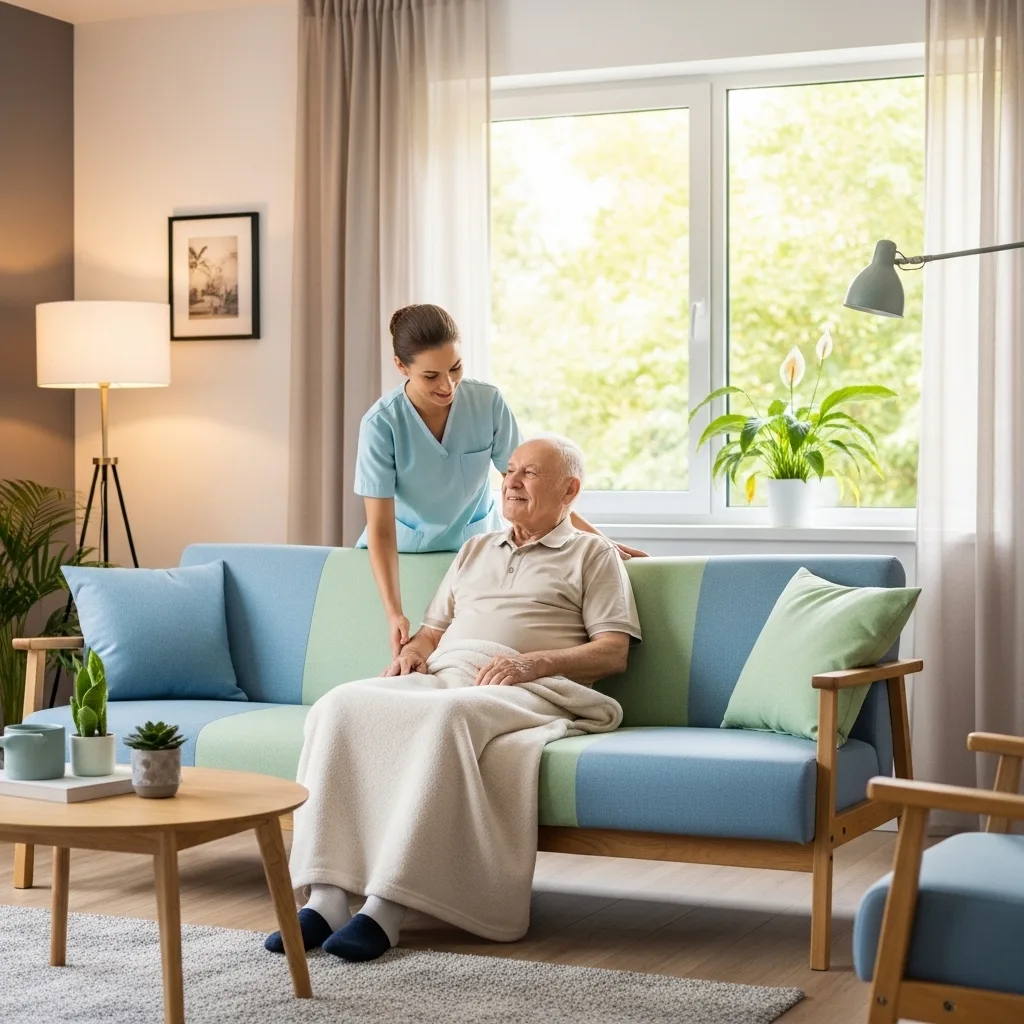



Understanding the Cost of Specialist Care at Home UK
Understanding costs helps families plan with confidence. Specialist care pricing can seem confusing initially, especially because there are no single fixed rates. This section explains why costs vary, what drives pricing, and how transparent conversations about costs lead to more assured decisions.
Specialist care is not priced as a one-size-fits-all service.
Pricing reflects the time, effort, and type of support involved in delivering safe and respectful care in the home. By understanding this, families can see that cost variation is about matching the right care to individual needs not about value judgements.
Why Specialist Care at Home UK Costs Can Vary
Unlike standard home care, specialist care is shaped around individual needs rather than set tasks. This means costs are influenced by how care is delivered, how often support is needed, and how needs may change over time.
Costs can vary because:
- No two care situations are the same
- Needs may fluctuate rather than remain constant
- Levels of understanding and experience required differ
- Routines and personal preferences shape how care is provided
By grasping this difference, families can see that cost variation is about matching the right care to individual needs rather than anything else.
Several different factors typically influence the pricing of specialist care. These factors are considered together rather than in isolation the overall picture matters more than any single element.
Common pricing factors include:
- Level of support required Longer visits, more frequent support, or a continuous presence may affect the overall cost.
- Consistency and continuity Providing familiar carers and maintaining continuity involves detailed planning and scheduling.
- Condition awareness and experience Carers with relevant condition knowledge affect how care is resourced and matched.
- Time of day and schedule Overnight, weekend, or specific-time support may differ from standard daytime care.
- Flexibility and adaptability Frequently changing needs require additional planning, review, and carer management.
Specialist Care at Home UK vs General Home Care
Understanding how specialist care costs typically compare with general home care can help families evaluate what they are receiving for the investment they make.
General home care is often: task-based, delivered in shorter visits, and less dependent on condition-specific understanding or continuity.
Specialist care, by contrast, involves:
- Greater continuity and familiar carer relationships
- More tailored and individually adapted support
- Additional time for communication and emotional reassurance
- Adaptation as needs change over time
Understanding this allows families to evaluate cost against the kind of help being provided, rather than making direct comparisons with hourly rates alone.
Transparency in care costs is essential for empowering families to make confident, well-informed decisions. When pricing is clear, planning becomes easier and trust grows naturally.
Having clear cost details enables families to:
- Plan finances realistically from the outset
- Stay clear of unexpected surprises down the line
- Understand exactly what is included in the care arrangement
- Make informed comparisons between different care options
Transparent pricing conversations should involve:
- A clear explanation of how costs are calculated
- An honest discussion about what care includes
- Openness about how costs may change if needs evolve
One of the challenges families face is that care requirements can change over time. Specialist care pricing reflects this reality and planning ahead makes it much easier to manage those changes confidently.
Planning ahead involves:
- Understanding current needs and what they require
- Considering how support may realistically evolve over time
- Building in flexibility rather than locking into rigid arrangements
The goal is always to ensure that changes, when they come, feel manageable rather than overwhelming for both the individual and their family.
Many families fund specialist care privately. Understanding costs early allows families to assess affordability, plan budgets realistically, and explore care options at a comfortable pace without feeling rushed.
Private funding may involve:
- Personal savings or retirement funds
- Contributions from family members
- Long-term financial planning
Specialist care providers should offer clear explanations and support families in understanding how care arrangements can be shaped within their means and budget.
It is important to note that specialist care pricing discussions are informational in nature not financial advice. Families planning long-term care costs may wish to seek independent financial guidance.
Discussions about care costs should never feel rushed or pressured. Families often benefit most from time to reflect, space to ask questions, and honest conversations without any sense of commitment or urgency.
Understanding costs does not mean committing to care. It simply provides clarity and clarity is the foundation of confident decision-making.
Specialist care conversations are most effective when families feel supported, fully informed, and free to decide entirely at their own pace.Ultimately, cost clarity supports trust. When families understand how pricing works, they are better able to:
- Plan ahead with a realistic understanding of what support involves
- Make thoughtful decisions without feeling cornered or rushed
- Feel genuinely confident throughout the care journey
At British Elderly Care, we are committed to clarifying pricing openly, explaining the factors affecting it, and helping families understand how care can be shaped to individual needs. Our priority is transparency, honest communication, and relaxed conversations always without pressure.
Funding Options for Specialist Care at Home UK
Funding routes can feel confusing clarity makes a difference. This section calmly explains different ways of funding specialist care without providing financial or legal advice, helping families gain a general understanding of the UK funding landscape.
At British Elderly Care, we discuss funding with the same care and clarity as we plan support.
We help families understand different funding routes in simple terms, explain how specialist care is typically arranged, and describe what options may be available based on individual circumstances. By keeping conversations open and without pressure, we allow families to feel well-informed as they explore possibilities and plan next steps confidently.
Understanding Funding in the Context of Specialist Care
Specialist care forms part of the broader UK health and social care system, but it is not necessarily funded by the NHS. In most cases, specialist care at home is either privately arranged or involves some degree of local authority involvement, to varying extents depending on individual circumstances.
Funding arrangements vary because:
- Care needs differ significantly from person to person
- Support may be required for different lengths of time
- Circumstances can change gradually rather than suddenly
- Responsibility for funding may shift as needs evolve
Private Funding for Specialist Care at Home UK
Many families choose to fund specialist care through private means either entirely or in combination with other types of support. Private funding offers a degree of flexibility in how care is arranged and shaped around individual routines.
Private funding could mean personal savings, regular income or pension, family contributions, or long-term financial planning. Privately funded care typically allows families greater control over when care starts, how it is structured, and how support is adjusted as needs change.
Choosing private funding does not mean families are rushed into making decisions private funding discussions are often a way for families to explore what kind of support fits them best before committing.Important disclaimer: The information here is provided on an informational basis only and must not be considered financial advice. Families planning for long-term care may benefit from seeking independent financial guidance.
Local Authority Involvement and Social Care Support
In some situations, local authorities may be involved in assessing care needs and determining whether social care support is available. This process is typically means-tested, meaning financial circumstances are considered as part of the assessment.
Local authority involvement typically focuses on:
- Assessing individual care and support needs formally
- Determining eligibility for social care support
- Contributing to care costs where eligibility criteria are met
Assessments and How Decisions Are Made
Funding decisions are often based on assessments carried out by relevant bodies such as local authority social care teams. Understanding the purpose and scope of these assessments helps families approach them with realistic expectations.
These assessments typically consider:
- The individual's specific care needs
- How those needs affect daily life in practice
- The level of support required to address those needs
- Financial circumstances, for social care funding decisions
Assessments are primarily designed to determine eligibility not to establish the full range of care a person might want or benefit from. Eligibility criteria may change, assessments may be re-evaluated at different times, and results will vary depending on individual situations.
When Funding Arrangements May Change
Funding arrangements are not always permanent. As care needs change, the way care is funded may also evolve. Being flexible and planning ahead is genuinely helpful in navigating these changes without feeling caught off guard.
Funding may change due to:
- Increased or reduced care needs following reassessment
- Changes in financial circumstances over time
- Reviews carried out by local authorities
- Shifts between privately funded and supported care arrangements
Combining Funding Routes for Specialist Care at Home UK
In some cases, families use a combination of funding routes to support specialist care. This can be an effective way to fill gaps in support, maintain preferred routines, and retain the flexibility that individual care arrangements require.
Combined funding may include:
- Partial local authority support alongside private funding
- Private funding for additional or preferred care elements
- Family-arranged contributions to supplement other funding
What Funding Covers and Important Disclaimers
It is important to be clear about the scope of what funding arrangements typically cover and what they do not. This clarity prevents misunderstandings and supports transparency in all care discussions.
Funding arrangements typically cover:
- Agreed care and support services outlined in care plans
- Support that is aligned with formally assessed needs
They do not usually cover:
- Personal lifestyle choices beyond assessed care needs
- Services that fall outside agreed and assessed care plans
- Costs unrelated to the direct delivery of care
Planning Ahead With Greater Confidence
Understanding funding routes is an important part of planning specialist care. When families have clarity around funding, decisions feel less rushed, options feel more manageable, and planning feels more confident overall.
Specialist care funding does not need to feel overwhelming at this stage. Allowing time to explore alternatives, ask questions, and think things through carefully can be of great help particularly when changes are gradual rather than sudden.
Clear, well-rounded information — given the time to absorb helps families plan calmly and move forward reassuringly, rather than with urgency or anxiety.Understanding funding routes helps families feel more prepared, reduces uncertainty, and supports thoughtful decision-making as care needs continue to evolve. The goal is not to find quick answers but to gain clarity at your own pace, so that plans can be made confidently and without unnecessary pressure.
At British Elderly Care, we focus on clear and calm explanations, no-pressure discussions, full transparency about what care involves, and supporting families as they explore all available options.
Clear Boundaries What Specialist Care
Does and Does Not Provide
Honesty builds trust. Specialist care works best when there is a clear, shared understanding of what support includes and where its limits are. Clarity reduces confusion, prevents unrealistic expectations, and allows for good planning as situations change.

Why Clear Boundaries Matter in Specialist Care
Care limitations are a significant aspect of ethical and responsible support. Without clear boundaries, families may be unsure of what to expect, and carers can find themselves in unsuitable or unsafe situations.
Clear boundaries help to:
- Protect individuals from unnecessary risk
- Support dignity and personal choice
- Ensure care is delivered safely and consistently
- Maintain trust between families and care providers
- Encourage timely review when needs change
Families who truly understand these distinctions are able to engage with care in a more secure and responsible way.

What Specialist Care Is Designed to Provide
Specialist care focuses on supporting daily life for individuals whose needs require more understanding and structure than general home care alone can offer.
This typically includes:
- Condition-aware daily support tailored to the individual
- Assistance with personal routines and mobility
- Emotional reassurance and ongoing confidence support
- Consistent care delivered by familiar, trusted carers
- Adaptation of care as needs evolve over time
- Clear, ongoing communication with families
Specialist care places particular emphasis on routine, familiarity, respect for independence, and calm and predictable person-centred support.
It is especially valuable when understanding how a condition affects everyday life is just as important as the practical tasks being supported.
What Specialist Care Does Not Provide
Being clear about what specialist care does not provide is simply the other side of explaining what it does. These boundaries are important for safety, honesty, and realistic planning.
Specialist care does not:
- Deliver medical diagnosis or treatment of any kind
- Replace GP, NHS, or hospital services
- Provide emergency or urgent medical response
- Deliver continuous clinical monitoring
- Make decisions that require medical authority or clinical qualification
This does not mean specialist care works in isolation. It often coexists alongside healthcare services supporting individuals day to day while clinical needs are managed through the appropriate channels.
Recognising these limits helps families understand when care may need to be reviewed or when additional professional services should be involved.
Emergency Situations and Immediate Support
Specialist care is not an emergency service. This distinction must always be clearly understood by both families and care providers for the safety of everyone involved.
In situations involving:
- Sudden illness or acute health deterioration
- Serious injury of any kind
- Sudden and significant decline in condition
- Immediate risk to health or personal safety
Emergency services or urgent healthcare support must always be contacted immediately.
Clear emergency boundaries protect everyone involved. They ensure people get proper assistance precisely when they need it and that carers are not placed in roles or situations that exceed their level of training.Families have every right to expect that specialist care professionals are transparent about these boundaries and that correct escalation is supported when required.

Recognising When Other Services May Be More Appropriate
As needs change, there may be times when specialist care alone is no longer sufficient. Recognising this is not a failure of care it reflects responsible and attentive planning on behalf of the individual's wellbeing.
Other services may be more appropriate when:
- Needs become predominantly clinical in nature
- Continuous medical oversight becomes necessary
- Risk continues to increase despite all reasonable adaptations
- Support at home is no longer safe or comfortably manageable
Acknowledging that other services may be needed is a mark of ethical, responsible care not a sign that care has fallen short.

Ethical Responsibility in Setting Boundaries
Ethical care involves being honest even when conversations are difficult or outcomes are uncertain. Setting clear boundaries is one of the most important ways care providers demonstrate genuine responsibility.
Responsible providers:
- Do not over-promise on what care can deliver
- Do not blur professional roles or responsibilities
- Do not continue care that is no longer appropriate or safe
- Encourage review when safety or wellbeing may be compromised
For families, clear ethical boundaries provide comfort and confidence. They confirm that care is being handled responsibly and with the person's long-term wellbeing genuinely at the centre of every decision made.
Ready to Understand How Specialist Care Can Support Your Family?
Speak to our team for a calm, honest, and no-pressure conversation we are here to help you understand what specialist care involves and whether it is the right step for you.
Supporting Families Through Long-Term Care Decisions
Families need guidance as much as care. Long-term care brings changing needs, evolving situations, and ongoing decisions. Supporting families helps reduce stress and build confidence over time.
💙The Emotional Weight of Long-Term Care Decisions
Long-term care decisions are often emotionally complex. Families balance concern for their loved one with responsibilities, commitments, and uncertainty about the future.
Common feelings include:
- Worry about making the right decision
- Uncertainty about how needs may change
- Fear of acting too early or too late
- Emotional responsibility for outcomes
These emotions do not disappear once care is arranged. They often remain in the background as families adjust to new routines and responsibilities. Recognising this emotional weight is essential.
📘Education as a Foundation for Confidence
One of the most effective ways to support families is through clear and accessible education.
This includes:
- Explaining care in plain English
- Clarifying what specialist care can provide
- Helping families understand how care may evolve
- Setting realistic expectations
When families understand the journey, decisions feel less overwhelming. Knowledge reduces uncertainty and allows families to participate more confidently in planning care.
🤝Reassurance Without Pressure
Reassurance is essential when decisions feel uncertain or ongoing.
Effective reassurance means:
- Not rushing decisions
- Not pushing outcomes
- Acknowledging uncertainty as normal
- Offering perspective rather than pressure
Families benefit from knowing they can take time, ask questions, and revisit decisions as situations change. This creates a sense of support rather than direction.
💬Reducing Stress Through Clear Communication
Stress often arises when information is unclear or inconsistent. Clear communication helps reduce anxiety.
This includes:
- Explaining changes calmly
- Keeping families informed
- Encouraging open discussion
- Avoiding assumptions
When families feel included, decisions feel shared rather than isolating. This builds trust and reduces emotional strain over time.
⚖️Shared Decision-Making as Needs Change
Long-term care decisions are not made once. They evolve as needs change.
- Listening to family concerns
- Considering personal preferences
- Reviewing care regularly
- Adjusting support thoughtfully
This approach removes pressure from making perfect decisions immediately and supports ongoing collaboration.
🔄Supporting Families Through Change and Transition
Change is a constant part of long-term care. Even small transitions can feel unsettling.
- Talking through changes
- Explaining new needs
- Reviewing care arrangements
- Offering reassurance
Support during transitions helps families remain calm, confident, and prepared rather than overwhelmed.
When Standard Home Care Is No Longer Enough
Many families reach a point where basic support no longer feels safe or sufficient. The shift rarely happens all at once it usually begins with small, gradual changes that are easy to overlook.
Standard home care is designed to support routine tasks. When needs begin to change, the challenge is not always what support is needed but how that support is delivered.
You may begin to notice: things taking longer than before, familiar routines becoming a source of confusion, confidence at home reducing, the level of support varying from day to day, or family members becoming more involved. These are signs that care needs are becoming more individual and less predictable not necessarily a crisis, but a clear signal that something needs to change.

Routines provide people with a sense of safety and comfort at home. When health changes, even familiar routines can become difficult to maintain consistently.
This may be a result of:
- Reduced reliability of strength and movement
- Changes in memory or concentration
- Increased tiredness throughout the day
- Changes in senses or perception
- Loss of confidence following an accident or fall
When routines become harder, support needs to be more patient, more consistent, and more informed. This is where standard home care often begins to feel limited not because it is inadequate, but because it was not designed to adapt in this way.

One of the clearest signs that care needs are changing is when understanding the condition becomes just as important as providing practical help.
At this stage:
- How support is delivered matters as much as the task itself
- Communication needs to be sensitively adapted
- Behaviour or mood may fluctuate unpredictably
- Triggers for distress or confusion need to be recognised
Condition awareness helps carers anticipate challenges before they arise, reduce distress and frustration, adjust routines sensitively, and provide reassurance through familiarity.
When this level of understanding is missing, families often feel that something is "not quite right"even if care is technically being provided.

As care needs evolve, families often experience a quiet but significant emotional shift that is just as important to acknowledge as the practical changes happening at home.
You may feel:
- Uncertain about whether current care is enough
- Anxious about safety when you are not present
- Unsure how to plan ahead without overreacting
- Concerned about taking on too much responsibility
- Guilty about questioning existing support arrangements
Recognising these emotions is important. They are often a signal that care needs are evolving and that clearer direction would be genuinely helpful.

Families often reach specialist care after a crisis a fall, a hospital admission, or a sudden decline. But a crisis does not need to happen first for care to change.
Waiting can:
- Make the situation more stressful for everyone involved
- Limit the available options at a critical moment
- Force decisions to be made hastily and under pressure
- Cause unnecessary disruption to familiar routines
When families get clear information early, they are able to consider options without pressure, plan ahead thoughtfully, keep the home environment stable, and make changes to support in small, manageable steps.
Specialist care is often most effective when introduced before care becomes urgent allowing support to be shaped around the individual, not imposed quickly under pressure.Noticing These Signs? Let Us Help You Find Clarity.
A calm, honest conversation with British Elderly Care no commitment, no pressure, just clear professional guidance.
Conditions That Often Require Specialist Care
Understanding the person behind the condition is key to providing the right support.
Some conditions don't need hospital care but they do need specialist understanding.
Specialist care becomes important when a condition affects how someone lives day to day, rather than just what tasks they need help with. At this stage, understanding routines, communication, behaviour, and confidence is as important as providing practical support.
The conditions below are commonly supported through specialist care at home. Each of them is unique, yet they share one aspect: care must be tailored to the person, not the disorder.
At British Elderly Care, we assist people who have a variety of chronic and age-related illnesses by learning how these illnesses impact their daily lives. We emphasise our work on consistency, familiarity, and shaping care around personal habits, the way of communicating, and the level of confidence that changes.
Instead of using a uniform care model, we come alongside individuals and families so the support is appropriate, respectful, and responsive keeping people comfortable at home while giving family members the security that care is backed by understanding and continuity.
Dementia and Memory-Related Conditions
Dementia and other memory-related disorders tend to alter a person's interaction with their environment, daily life, and the people around them. Things that have always been done without thinking can suddenly baffle a person, and the mere change of a familiar pattern might result in upset or isolation.
Specialist care supports people with dementia by focusing on:
- Familiar routines and environments
- Consistent carers who build trust over time
- Calm communication and reassurance
- Reducing anxiety caused by unfamiliar situations
Specialist care enables the individual to be supported in a manner they can understand, at their own pace, without the need to be corrected or hurried. Even slight changes such as how assistance is provided or the time when a task is done can greatly add to the feeling of comfort and confidence.
For families, professional care can bring solace in knowing that support is not only about doing the tasks it comes from genuine understanding, patience, and closeness.
Parkinson's Disease
Parkinson's disease impacts the way in which a person can move, coordinate, talk, and feel energy-wise. The symptoms often fluctuate throughout the day, and needs can change so quickly that sticking to a regular schedule becomes almost impossible.
Specialist care can assist by:
- Adjusting support to changes in mobility and energy levels
- Giving the person the freedom to have flexible daily routines
- Helping the person to be more confident when moving and doing daily tasks
- Providing consistent support to avoid frustration or exhaustion
Knowing the effects of Parkinson's on the particular person instead of just following a set schedule is what makes care continually supportive and respectful. Specialist care acknowledges that there may be days when things go particularly well, and the level of support can be changed accordingly.
Stroke Aftercare (Non-Complex)
Many people after a stroke have changes in their mobility, communication, confidence, or emotional health. Although hospital treatment can be over, the support at home should generally be more gentle and patient than before.
Specialist care can support stroke aftercare by:
- Encouraging independence at a comfortable pace
- Allowing extra time for communication or movement
- Supporting routines that rebuild confidence
- Understanding emotional changes following a stroke
It's not about rehabilitation in the medical sense, but care helping people to cope with changes in their daily lives without losing their dignity and self-esteem. Specialist care gives families the confidence that it is not necessary to speed up progress support can evolve alongside recovery.
Arthritis and Mobility Decline
Arthritis and ongoing mobility difficulties can make everyday activities feel stressful. Tasks once done without thinking may now require more energy, time, or a little assistance.
Specialist care supports people with mobility decline by:
- Adapting routines to reduce strain
- Supporting safe movement around the home
- Allowing individuals to maintain independence where possible
- Reducing frustration caused by physical limitations
It's important to recognise that reduced mobility can significantly affect self-esteem. Specialist care aims not only to provide physical help but also emotional support upholding an individual's dignity, choice, and control in daily life.
Frailty and Age-Related Conditions
Frailty linked to ageing usually develops gradually and may be due to a reduction in strength, balance, endurance, or the ability to manage stress. Changes of this nature can lead to increased vulnerability and may lower one's self-confidence at home.
Specialist care helps by:
- Providing gentle, consistent support
- Keeping regular and familiar patterns
- Maintaining healthy nutrition and general wellbeing
- Minimising the risk of preventable setbacks
Home is very much a factor of wellbeing for many elderly people. Specialist care supports this by making care changes in a considerate way, rather than bringing about any unnecessary transition.
Long-Term Neurological Conditions
Long-term neurological disorders may interfere with a person's ability to move, talk, coordinate, or think. The alterations are usually gradual and can be variable.
Specialist care is designed to help individuals by:
- Having a deep knowledge of the impact of the condition on everyday life
- Modifying the way of communication and changing routines
- Offering consistency and making it a familiar environment
- Maintaining emotional wellbeing while also caring for practical needs
This method recognises that different people are affected by neurological conditions in different ways and that support has to be flexible and responsive at all times.
Focusing on the Individual, Not the Diagnosis
Conditions offer a way to outline care needs, but specialist care always prioritises the personal experience of the patient. It is possible for two people suffering from the same condition to require very different forms of support.
Specialist care answers this by:
- Listening carefully
- Adapting routines
- Reviewing care as needs change
- Helping both individuals and families
Such a person-centred focus ensures that care stays respectful, pertinent, and comforting.
How British Elderly Care Approaches Specialist Care
At British Elderly Care, we see specialist care as an extension of understanding not a label applied to a condition. Our approach is guided by the belief that care should fit around the person's life, routines, and preferences.
We focus on:
- Taking time to understand individual needs
- Supporting familiarity and consistency at home
- Helping families feel informed and reassured
- Allowing care to adapt gently as needs change
We want to help individuals and families by providing support that is clear, thoughtful, and suitable for their situation through our focus on clarity, continuity, and dignity.
Skilled Carers, Consistency and
Condition-Aware Support
Consistency matters just as much as skill. Specialist care is fundamentally about people the daily manner in which care is given depends on the person providing it, how well they know the individual, and how consistent that support feels. British Elderly Care carefully selects carers, supports continuity wherever possible, and equips every carer to understand how individual conditions affect daily life.

The Importance of Skilled, Specialist Carers
Specialist care is delivered by carers who have additional understanding and experience relevant to specific conditions and changing needs. This does not mean clinical treatment it means carers who know how to adapt their approach.
Skilled carers:
- Understand how certain conditions affect daily life
- Recognise changes in mood, confidence, or routine
- Adjust their approach based on individual needs
- Provide reassurance through calm, informed support

Matching Carers to Individual Needs and Conditions
One of the defining features of specialist care is thoughtful matching. Rather than assigning carers based solely on availability, specialist care considers the whole person not just their condition.
Matching considers:
- The individual's condition and how it presents day to day
- Communication style and personal preferences
- Personality and the routines that matter most
- What helps the person feel comfortable and understood

Why Consistency and Familiarity Matter
Consistency plays a crucial role in specialist care at home. Having the same familiar carers can significantly reduce anxiety, build communication, and support emotional wellbeing over time.
Changing carers frequently can be deeply unsettling for people with long-term conditions or early-stage dementia. Over time, familiar carers develop the ability to notice subtle changes, understand what works, and provide reassurance without needing explanation.
Familiarity allows carers to:
- Notice subtle changes before they become problems
- Understand what works well and what does not
- Provide reassurance without needing to explain every time
- Support daily routines more effectively and naturally

Condition-Aware Support in Everyday Life
Condition-aware support means understanding how a condition affects a person's daily experience not just knowing the condition by name. It is about how care feels, not only what tasks are completed.
Being attentive to an individual's emotional experience rather than simply delivering care lowers frustration and maintains their sense of dignity, especially when needs are continuously changing or progress is slow.
In practice, this may include:
- Adapting the way communication is used day to day
- Allowing more time for completing familiar routines
- Encouraging confidence in mobility or small changes
- Responding calmly to changes in mood or behaviour
How Specialist Care at Home Works A Clear, Supportive Process
Good care starts with understanding not assumptions.
Specialist home care works best when it is gradually, thoughtfully, and person-centred developed. Rather than sticking to a fixed formula, the process is about hearing, comprehending, and adjusting care as requirements evolve.
It helps to clear the doubt and shows that care does not have to be hurried or overly complicated to be successful.
At British Elderly Care, we see specialist care more as a facilitative process than a predetermined route. After initially listening to individuals and families, getting to know their day-to-day life, needs, and issues before we propose how care might change.
We regard care as something that is developed step by step, looked at regularly, and always reflects the changing needs. Keeping communication open and expectations in line with reality, we strive to assist families to be knowledgeable and comforted throughout the journey of care.
Specialist care often starts with talking instead of deciding.
This first talk is a chance to really discuss what has been changing, what feels manageable and what feels harder, daily routines and preferences, and concerns around confidence, safety, or consistency.
Here the idea is not to decide on care but to get a deep understanding of the situation. It can be very useful for families to simply tell what their everyday life is like and what questions they have.
The first step is to listen deeply so that the next support will be relevant, sufficient, and genuinely based on needs rather than on initial assumptions.
Exploring specialist care further usually entails spending time to learn about the person's daily life. Day-to-day living is examined by considering:
- Morning and evening routines
- Diet habits and preferences
- Ways of communicating
- Things that give the person a sense of security or comfort
- Things that the person finds upsetting or confusing
Among the factors that play an important role in supporting those with long-term or slowly progressing illnesses is awareness of the times of day.
Having well-known and familiar routines can give a person a strong feeling of security and stability, especially when other areas of life are changing.
Specialist care helps people experience comfort and maintain their dignity at home by building care around pre-existing habits rather than changing them.
Specialist care plans are designed to be practical and adaptable, rather than rigid or overly detailed. A care plan brings together:
- The individual's needs and preferences
- How support should be offered
- When flexibility is important
- How routines can be supported safely
Care planning is not only about tasks, but also about how care is experienced by the person receiving it. This can be achieved by understanding the person's needs such as pacing activities differently, giving reassurance at certain times, or allowing more time for some routines.
For families, a clear care plan helps create confidence that support is consistent and guided by understanding.
One of the main things that make specialist care different is that the support should be given by carers who are aware of the specific needs.
Here, consistency always plays a vital part. Seeing familiar faces can help:
- Reduce anxiety
- Build trust
- Support communication
- Maintain confidence
Specialist care places value on continuity, recognising that relationships matter just as much as practical support. Over time, this familiarity can make daily life feel more settled for both individuals and families.
Once care is in place, specialist care focuses on supporting everyday life calmly and respectfully. Day-to-day support may involve:
- Helping with personal routines
- Supporting mobility and confidence
- Offering reassurance during moments of uncertainty
- Encouraging independence where possible
Care is provided at the individual's pace and can be adapted to how each day turns out. There will be days when the person would feel easier and specialist care can help without any disruption.
One of the strengths of specialist care is that it is not fixed. People's needs change slowly over time and their care should change accordingly.
With regular check-ups, the support can be kept suitable and responsive. This includes:
- Adjusting changing routines
- Increasing or decreasing the amount of support
- Being sensitive to changes in confidence or wellbeing
- Planning ahead rather than reacting to problems
Through these regular reviews, care can stay aligned with actual needs and never be left to feel insufficient.
Specialist care does not only stop at the individual it also helps the families.
Families, being very close to the individual, may be giving more care, seeing slight changes, and holding emotional burden. Open communication and frequent information allow families to feel safe and informed.
Having the opportunity to ask questions or express worries definitely makes the care journey more manageable.
Our Specialist Care Ethos
at British Elderly Care
Care should adapt to people not the other way around. At British Elderly Care, we believe care should fit naturally into a person's life respecting their routines, preferences, and sense of identity rather than asking them to adjust to a rigid model of support.
Our fundamental philosophy is a person-centred approach. We begin with understanding, not task lists.
We focus first on the individual's daily life and routines, what matters to them as a person, how they prefer to communicate and receive support, and what helps them feel comfortable, confident, and respected. This allows care to sit naturally within a person's real life situation rather than being imposed from the outside.
1
Respect, Dignity, and Everyday Independence
Protecting a person's sense of self throughout everyday support
Respect and dignity are fundamental to how specialist care is experienced. At British Elderly Care, we believe that support should protect a person's sense of self even when they need help with everyday activities.
Specialist care is about helping people maintain who they are and live life on their own terms, even as they need more help. The way care is delivered how routines are approached, how instructions are communicated can significantly impact a person's confidence and emotional wellbeing.
When carers make the effort to respect individuals in the small moments of daily life, the whole experience of care feels less like a burden and more like genuine support.This includes:
- Giving choices whenever possible in daily routines
- Helping people build independence rather than doing everything for them
- Respecting privacy and personal space at all times
- Speaking in a manner that is calm, respectful, and clear
2
Clear, Open Communication Builds Trust
Transparency and honesty in every stage of care delivery
The ability to communicate well is one of the most important elements of day-to-day specialist care especially when a person's condition is changing and families need to feel informed and involved.
Effective communication gives families a sense of security and understanding. It takes away feelings of uncertainty or exclusion, and creates a two-way relationship that leads to better continuity of care because everyone understands how and why support is being provided.
Regular, honest, and empathetic communication can help the specialist care team achieve the best possible outcomes for the individual and the family.Our communication priorities include:
- Clearly and honestly explaining how care is being delivered
- Encouraging questions and open discussion at any stage
- Keeping families regularly informed and genuinely involved
- Being transparent about limitations and what can reasonably be expected
Building long-term supportive relationships is at the heart of specialist care. Consistency of carers, familiarity over time, and trust built through reliability all help individuals and families feel stable even as needs change.
3
Adapting Care as Needs Evolve
Care that reflects change not one that waits for a crisis
A key part of our philosophy is recognising that care should never stand still. Specialist care must adapt as conditions progress, routines change, confidence fluctuates, and family circumstances evolve.
This requires regular reflection and open conversation. We work to ensure that care stays fitting a slowly evolving support rather than a structure that becomes outdated and then must be replaced all at once.
When care is fine-tuned early, unnecessary pressure is avoided and families are able to plan with much greater confidence without waiting for things to reach a crisis point.Care adapts across:
- Progression of the individual's condition over time
- Changes in daily routines and personal preferences
- Fluctuations in confidence, energy, or mobility
- Evolving family circumstances and levels of involvement
Specialist Care Services and
Support We Offer
Support shaped around real life. Specialist care cannot be reduced to a checklist of tasks or time slots it is shaped by how people live, how their needs change, and how support fits into everyday life at home.
At British Elderly Care, specialist care services are designed to respond to real situations not ideal scenarios and to adapt as needs evolve over time.
Specialist care does not offer fixed packages. The focus is on the delivery, the consistency, and the style of support reflecting the individual's routines, preferences, and lived experiences. The three service areas described here are the most common areas where specialist care at home is provided, always guided by understanding, flexibility, and respect.
1
Dementia and Memory-Related Support
Continuity, familiarity, and calm communication at the centre of care
Dementia and memory-related conditions can affect far more than just memory. Changes in how a person perceives their environment, communicates, and manages confidence can have a profound effect on daily life at home.
Specialist dementia support is about stabilising a situation through familiarity. It means keeping established routines, maintaining the same familiar carers, and supporting communication in a way that keeps the person feeling calm and respected. Rather than correcting behaviour or rushing tasks, care is given at the pace that is free from anxiety and confusion.
Small disruptions unfamiliar faces, changes in routine, hurried interactions can emotionally unsettle a person with dementia significantly. Specialist care minimises these disruptions by making continuity and understanding the priority.For families, this type of care provides the reassuring knowledge that support is not only being delivered it is being delivered thoughtfully, with a genuine understanding of how dementia changes both everyday experience and practical needs.
2
Parkinson's Care and Condition-Aware Support
Flexible, responsive care that adapts to how Parkinson's presents each day
Parkinson's disease often presents differently from day to day. Changes in mobility, coordination, speech, and energy levels make it difficult to follow strict, fixed routinesand this unpredictability can be a genuine source of frustration for both the individual and their family.
Expert Parkinson's care embraces flexibility and responsiveness. Support is adjusted based on how the individual is feeling at any given moment rather than demanding consistency where it is simply not possible.
In practice, this may mean allowing the person more time to complete daily activities, adjusting the level of assistance when energy is low, or varying how a mobility aid is used depending on how the person is moving that day.
By understanding how Parkinson's affects daily life rather than relying on assumptions specialist care helps individuals feel supported rather than restricted, and families feel reassured that care genuinely adapts as needs change.Importantly, specialist care also focuses on preserving confidence and independence offering reassurance without taking over, and ensuring that the individual retains control wherever that is safely possible.
3
Mobility Support and Frailty-Related Care
Gentle, considered support that preserves autonomy and daily life at home
Because problems with mobility and frailty often develop gradually, people may not fully appreciate how much has changed. Over time, even tasks that were once straightforward can become more difficult, more tiring, or more dependent on support and encouragement.
Specialist care for mobility and frailty focuses on safe movement, self-assurance, and personal autonomy. It might involve adapting daily routines so they are less physically draining, facilitating movement around the home, and encouraging activity in a way that is comfortable and appropriate for the individual.
Specialist care is not about the person losing control it is aimed at helping people continue doing their own things, with support delivered in a way that is gentle, considerate, and respectful of their choices.For many people, living in their own home is a central factor in their happiness and sense of identity. Specialist care enables this by making support suitable for each stage of physical change without causing unnecessary disruption or loss of the existing way of life.
Across all services, the approach remains the same: understanding comes first, and care is shaped around the person not the diagnosis.
Responding Thoughtfully as Care Needs Get Progressed
Care needs to change - knowing when to reassess matters. Specialist care adapts as needs evolve, and recognising when to review support allows families to respond thoughtfully rather than reactively, keeping care safe, appropriate, and effective.
🧠Understanding When Care Needs a Review
In the context of home care, change does not mean an emergency or sudden crisis. It refers to a shift in care needs that requires reassessment.
Escalation may involve:
- Reviewing whether current care still meets needs
- Considering additional or different support
- Re-evaluating how care is delivered
- Planning next steps thoughtfully
Most of the time, needs gradually change and recognising this early gives families a chance to comfortably explore their options.
Specialist care supports reassessment as part of responsible care planning, not as a last resort.
⚠️Signs That Specialist Care May Need Reviewing
It is usually families that first notice slight changes. These do not always indicate urgency, but they suggest that care may need to be reviewed.
Examples include:
- Increased difficulty managing daily routines
- Reduced confidence or awareness
- Greater reliance on carers for reassurance
- Changes in mobility or communication
- Needs becoming less predictable
These signs are not failures of care. They reflect natural progression and highlight the importance of ongoing review.
📊When Specialist Care May No Longer Be Enough
Specialist care supports non-clinical needs at home. There may come a point where needs extend beyond this scope.
- Support requirements become more intensive
- Ongoing clinical oversight is needed
- Risk increases despite adjustments
- Care becomes difficult to manage safely at home
This does not mean care has failed. It means care must evolve alongside the individual.
🧘The Importance of Calm Reassessment
Reassessment works best when approached calmly and with clarity.
- Review current support objectively
- Discuss observations openly
- Consider what feels manageable
- Seek guidance rather than immediate answers
Early reassessment allows families to explore options without pressure and supports continuity.
🚫Avoiding Fear-Based Decision-Making
Escalation can feel overwhelming, especially when families anticipate what comes next.
- Focus on understanding rather than urgency
- Avoid assumptions about outcomes
- Ask questions and seek clarity
- Allow time for reflection
Escalation does not mean loss of control. It means reassessment with guidance.
💙Supporting Individuals Through Change
Change can feel unsettling for individuals receiving care.
- Maintain familiarity where possible
- Communicate changes gently
- Preserve dignity and choice
- Minimise disruption
How change is handled matters as much as the change itself.
👨👩👧Supporting Families Through Reassessment
Families often carry emotional responsibility when care needs change.
- Talking through concerns clearly
- Understanding available options
- Receiving reassurance
Guidance helps families feel informed rather than pressured.
✔️Escalation as Part of Responsible Care Planning
Escalation is not a sign of failure. It is part of responsible care planning.
- Regular review
- Honest conversations
- Adapting support as needs change
- Prioritising safety and wellbeing
Recognising change is a sign of attentive and thoughtful care.
Safety, Safeguarding and Quality
in Specialist Home Care
Feeling safe is the foundation of good care. When families consider specialist care at home, safety is often the underlying concern even when it is not stated directly. Questions about who provides care, how risks are managed, and how wellbeing is protected are natural, especially when needs are changing or becoming more complex.
In specialist home care, safety is not a single process or policy.
It is clear standards, careful planning, well-trained staff, and regular supervision all coordinated to help people live safely in their own homes. This section outlines how safety, safeguarding, and quality are managed in specialist care and what families can expect as a minimum standard in the UK. Specialist home care operates within well-defined regulations. Any provider offering regulated activities has a duty to comply with the standards set by the Care Quality Commission (CQC) in England or equivalent bodies in Scotland, Wales, and Northern Ireland.
Safety Basics
Items 1–3
1
What Safety Means in Specialist Home Care
Safety goes far beyond accident prevention it is about the whole experience of feeling cared for
Specialist care safety is more than just accident prevention. It is about establishing an environment where the individual feels safe, valued, and cared for in a way that matches their specific needs and situation.
In practice, safety means:
- Support that is genuinely appropriate to the individual
- Clear understanding of personal routines and preferences
- Awareness of and responsiveness to changing needs
- Respect for dignity and independence at all times
- Calm, predictable, and consistent care delivery
Specialist care understands that safety is not a matter of control, but of awareness, consistency, and considerate support that adapts naturally to the individual.
2
Safeguarding: Protecting People at All Times
One of the most fundamental duties of all UK care services
Safeguarding is one of the most fundamental duties that UK care services must carry out. Its purpose is to ensure that no person is harmed, neglected, abused, or exploited whether the harm is intentional or not.
In specialist home care, safeguarding involves:
- Spotting the signs of vulnerability in the individuals being supported
- Having a thorough understanding of the possible risks for a specific person
- Getting in touch with the right people once a concern has been identified
- Following clear, established reporting and escalation procedures
Safeguarding applies to everyone but it is especially important when supporting people who may be living with dementia or a mental health condition, have limited mobility or self-confidence, depend on others for everyday activities, or find it difficult to explain or express their concerns.
The best safeguarding prevents incidents from happening rather than simply reacting after the fact. It is built on prevention, professional responsibility, and continuous awareness not waiting for something to go wrong.
3
Safeguarding Responsibilities in the Home Environment
Balancing privacy, independence, and protection in a person's own home
There are unique safeguarding considerations that arise when care is delivered in a person's home. The home is a private place, and care must carefully balance allowing personal independence with protecting the individual from potential harm.
Safeguarding practices follow local authority procedures and national guidance at all times, to ensure individuals are protected from abuse, neglect, or exploitation regardless of their setting.
Safeguarding in the home includes:
- Respecting personal boundaries and individual guidelines
- Supporting informed choice while recognising genuine risk
- Being alert to changes in behaviour or emotional wellbeing
- Ensuring concerns are raised promptly and appropriately
Families can expect that safeguarding will be an embedded part of everyday care not something that is addressed only occasionally or in isolation.
Training and Recruitment
Items 4–5
4
Training and Competence in Specialist Care
Knowledge, awareness, and ongoing development for every carer
Training is a major factor in ensuring both safety and quality in specialist home care. While specialist care is not clinical, it still requires carers to possess additional knowledge and awareness that is relevant to the specific needs they are supporting.
Training typically covers areas such as:
- Understanding specific conditions and how they present
- Communication and behaviour awareness
- Supporting mobility and daily routines safely
- Recognising changes in wellbeing and health
- Safeguarding responsibilities and correct procedures
Continuing training is essential because needs change and care must change with them. Specialist care depends on carers who are confident, knowledgeable, and capable of responding calmly to everyday challenges.
For families, knowing that carers have been adequately trained is a significant source of confidence and genuine reassurance.
5
DBS Checks and Safer Recruitment
Background screening and ongoing accountability as essential safety steps
Safe recruitment is an essential component of safety in home care. In the UK, carers who deliver regulated care must be properly checked through background screening before they begin working with vulnerable individuals.
This includes:
- Disclosure and Barring Service (DBS) checks
- Verification of identity and right to work
- Employment history checks and gap identification
- References from relevant previous positions
These steps are important in helping to ensure that carers are suitable to work with vulnerable people. However, recruitment is only the beginning of safeguarding ongoing monitoring, support, and professional accountability all play a significant role in keeping the care environment consistently safe.
Safe recruitment combined with regular supervision and clear accountability creates the foundation of a trustworthy care arrangement.
Risk and Consistency
Items 6–7
6
Risk Awareness Without Over-Restriction
Understanding and managing risk thoughtfully not eliminating it
Risk is an inevitable part of daily life. In specialist home care, the goal is not to eliminate risk entirely it is to understand and manage it in a thoughtful, considered way that maintains both safety and personal freedom.
Being aware of risk means:
- Identifying situations where the person may need extra support
- Finding the right balance between safety and independence
- Adjusting habits and routines to avoid unnecessary danger
- Updating risk assessments regularly as circumstances change
For example, allowing a person to maintain independence may mean permitting certain activities with support rather than stopping them entirely. This preserves confidence and autonomy while still ensuring safety.
Specialist care supports positive, reasonable risk-taking enabling people to remain confident and autonomous, while always keeping safety as the underlying priority.
7
Supporting Safety Through Consistency and Familiarity
Why familiar carers are a genuine safety measure not just a preference
Keeping a consistent approach is one of the most important safety features in specialist care. When carers are familiar with an individual, they become significantly more effective at keeping that person safe.
Familiar carers are better able to:
- Spot very small but meaningful changes in behaviour or wellbeing
- Know the individual's habits, likes, and daily preferences well
- Anticipate needs and recognise early warning signs
- Provide calm, timely, and appropriate reassurance
This consistency also gives families the confidence that care is not only predictable but deeply understood by people who genuinely know the person they are supporting.
Quality and Governance
Items 8–10
8
Data Protection and Confidentiality
Protecting personal information as a fundamental part of dignified care
Protecting personal data is a critical and inseparable part of providing good care. Care workers in the UK have a legal obligation under data protection laws to handle personal information responsibly at all times.
This means ensuring:
- Personal data is processed and stored in a safe, secure manner
- Confidentiality is maintained across all interactions
- Information is never shared without a legitimate, appropriate reason
For individuals and families, this is about having the confidence that personal information, care records, and private discussions will be handled with genuine respect and full privacy.
Data protection is not merely a legal requirement it is an essential element of caring for a person's dignity and maintaining their trust in the care arrangement.Care providers must comply with the UK General Data Protection Regulation (UK GDPR) and the Data Protection Act 2018 when handling all personal information.
9
Oversight, Review, and Continuous Improvement
Care that is regularly reviewed and always open to improvement
Safety and quality in specialist care require ongoing oversight and a genuine commitment to continuous improvement. Care cannot be set up and then left to run without review it must be actively and regularly examined.
Ongoing oversight involves:
- Reviewing care arrangements regularly and thoroughly
- Responding quickly and appropriately to changes in need
- Addressing concerns promptly rather than allowing them to accumulate
- Learning from feedback provided by individuals, families, and carers
Ongoing improvement is one of the key ways in which care stays relevant, responsive, and genuinely supportive over the long term for everyone involved.
10
Understanding Consent, Choice, and Control
Enabling people to make informed decisions and maintain control over their own care
A key aspect of safety in specialist home care is ensuring that people have a genuine say in the decisions about their own support. Feeling secure is very much linked to being listened to, treated with respect, and having real control over daily life.
Consent in specialist care is not a one-time action. It is an ongoing process revisited regularly as needs, preferences, and understanding evolve.
This ongoing process involves:
- Explaining care clearly and in plain, accessible language
- Checking understanding regularly and not assuming agreement
- Respecting individual preferences even when they are not the easiest path
- Supporting decision-making wherever it is safely possible
For families, clear and ongoing consent processes give peace of mind that care is being delivered respectfully and transparently with the individual at the centre of every decision made.
Quality in specialist care is ultimately reflected in how care is experienced day to day not only measured by policies. High-quality care is person-centred, consistent, respectful, adaptable, and clearly communicated throughout.
Speak With Us About Specialist Care Calm Guidance, No Pressure
Sometimes a conversation is all you need to feel clearer.
Contacting specialist care for a conversation is rarely about committing to a decision. Usually, it's about understanding your situation, noticing the changes, and considering the possibilities for the next support.
Most families at this stage have not experienced a sudden event rather, care has become complicated and not as easy as before.
A clear discussion may offer a different viewpoint. It allows you to take a moment to think, inquire, and get to know the alternatives without the stress of time or the pressure to decide. This last step is not aimed at joining it's about being clear.
When Families Choose to Talk Things Through
Families reach out for many different reasons. Some are noticing small changes and want reassurance. Others feel unsure whether current care is still the right fit. Some simply want to understand what specialist care involves before they need it.
Common reasons families seek a conversation include:
- Care needs becoming more individual or unpredictable
- Uncertainty about whether specialist care is appropriate
- Questions about boundaries, costs, or funding
- A desire to plan ahead rather than react later
- Wanting reassurance that they are thinking about the right things
There is no "right time" to talk. Many families find that having a conversation early helps reduce stress and prevent decisions being made under pressure later on.
What These Conversations Are and Are Not
Speaking with us about specialist care is not a sales call.
These conversations are
- Calm and informative
- Led by listening rather than directing
- Focused on understanding your situation
- Designed to answer questions clearly
- Free from pressure or urgency
They are not
- A requirement to proceed
- A substitute for medical advice
- A rushed decision point
- A one-size-fits-all recommendation
Our role is to explain, clarify, and support understanding not to push outcomes.
How We Approach These Conversations at British Elderly Care
British Elderly Care tries to put itself in the position of our client's family when we are making a decision about care. We know that our clients' families often have mixed feelings about these choices.
When you speak with us, we aim to:
- Listen carefully to what has changed and what matters to you
- Explain specialist care in plain, simple terms
- Clarify what specialist care can and cannot provide
- Talk through options calmly and realistically
- Support reflection rather than urgency
We recognise that families may need time sometimes more than one conversation to feel confident. That time is respected.
Helping You Reflect, Not Decide
One of the most valuable outcomes of a supportive discussion is not an answer, but understanding.
You may leave the conversation with:
- Greater clarity about whether specialist care is appropriate
- A better sense of what questions to ask next
- Reassurance that your concerns are valid
- A clearer picture of boundaries and expectations
- Confidence to pause and reflect rather than rush
At times, realising that acting now is unnecessary is equally important as figuring out the right moment to act.
Conversations That Support Planning, Not Pressure
Throughout this page, we have talked about understanding specialist care, knowing when care needs change, recognising boundaries and reassessment, and supporting families over time. This final step brings all of that together.
Talking things through allows families to:
- Plan ahead rather than react later
- Avoid crisis-led decisions
- Feel supported rather than isolated
- Understand options without obligation
Care decisions feel more manageable when they are grounded in clarity and calm discussion.
Who These Conversations Are For
You don't have to know for sure about anything to begin a conversation.
These discussions are suitable if you are:
- Unsure whether specialist care is right
- Supporting someone whose needs are changing
- Exploring options for the future
- Feeling uncertain or overwhelmed
- Simply wanting clear, honest information
There is no requirement to be "ready". The conversation itself can be part of getting ready.
Our Commitment to No-Pressure Guidance
We are clear about this because it matters.
- No obligation to proceed
- No expectation to make decisions
- No pressure to commit
- No judgement about timing
Our commitment is to guidance first always.
Bringing Everything Together
Throughout this page, we have focused on understanding specialist care clearly, recognising when needs change, respecting boundaries, and supporting families over time. This final section brings all of that together in one place.
Speaking with us is not about reaching a conclusion. If people can grasp one thing clearly during the conversation, it will be enough to make them feel more grounded and knowledgeable.
It takes only one calm and rational conversation to make one feel supported as they figure out their next steps and this is true regardless of whether one is just starting to think about care or already deep in the process.
A Final Reassurance
Care journeys rarely go straight from one moment to another. They are influenced by gradual changes, deep reflections, and continuous adjustments. Getting to clarity does not necessarily imply that you have to make a decision it means allowing yourself to get to know. At times, a talk with someone is exactly what you need to get a clearer picture of things.
Speak With Us
If you feel that talking things through could help even slightly we are here to listen.
Ready to Talk Things Through?
Whether you are just beginning to think about specialist care or already navigating a changing situation, we are here to listen calmly, clearly, and without pressure.
Frequently Asked Questions About Specialist Care
We understand that families have many questions when considering specialist care. The answers below are here to help you understand what specialist care is, how it works, and what to expect clearly and without pressure.
Click any question to read the answer. Browse by category using the panel on the left. There is no obligation to act on anything you read here.

What Is Specialist Care
Understanding the nature and purpose of specialist home care.
Specialist care is condition-aware support provided at home for people whose needs are more individual than standard home care.
General home care focuses mainly on practical tasks and routines.Specialist care adapts support around specific conditions, changing needs, and personal routines.
No. Specialist care is non-medical and does not replace NHS, GP, or hospital services.It supports daily living alongside healthcare services where required.
It is designed for people who need more personalised and condition-aware support than standard home care.This includes individuals whose daily needs have become more complex or less predictable.
Normally, specialist care is reserved for the aged population whose requirements have evolved over time. This way they can continue to be safe, comfortable, and well supported in their own homes.
Yes, specialist care supports dementia through routine, familiarity, and reassurance.It focuses on understanding how memory conditions affect confidence and daily life.
Yes, care can be adapted around changes in mobility, fatigue, and daily routines.Support remains flexible to reflect how needs may fluctuate.
Specialist care is generally non-clinical and does not involve nursing or medical oversight.Complex care is more likely to involve clinical input, which specialist care excludes.
It may be appropriate when standard home care no longer feels sufficient.A thoughtful discussion can help clarify whether specialist care fits your situation.
Carers & Consistency
How carer continuity and training support better care outcomes.
Consistency is focused wherever possible.Familiar caregivers help build trust and emotional support.
Familiar carers understand routines and notice subtle changes more easily.This supports both safety and emotional wellbeing.
Carers receive training focused on condition awareness and communication.They are supported to deliver care safely and respectfully.
Yes, carers undergo appropriate background checks.This forms part of safer recruitment practices.
Safety & Regulation
How specialist care is regulated and how safety is maintained.
Yes, providers must meet UK care standards and regulations.Care is subject to appropriate oversight and inspection.
Safety is supported with training, protecting practices, and risk awareness.Clear communication with families is also essential.
Safeguarding ensures individuals are protected from harm, neglect, or abuse.It ensures concerns are recognised and addressed appropriately.
Risk is managed thoughtfully, balancing safety with independence.The aim is to support choice without unnecessary restriction.
Yes, it supports confidence, safe movement, and daily independence.Care adapts as physical abilities change.
Families & Wellbeing
How specialist care supports families and promotes emotional wellbeing.
Yes, emotional assurance is an important part of specialist care.Familiar routines and calm communication help reduce anxiety.
Families receive clear explanations and ongoing guidance.Support helps them feel informed and reassured.
Yes, families are involved wherever possible.Shared decision-making helps align care with preferences.
Yes, clarity and consistency often reduce uncertainty.
Care is shaped around existing routines rather than replacing them.This helps preserve dignity and normality.
Yes, support is provided to maintain choice and involvement.Care does not aim to take over unnecessarily.
By offering clear explanations and calm guidance. Shared decision-making is encouraged.
Often yes, as continuity builds trust. Familiarity supports reassurance.
Reviews & Changes
Understanding how care is reviewed and adapted over time.
Care is reviewed regularly and modified to remain appropriate.This helps avoid sudden or unsettling changes.
Care can be reviewed calmly to assess suitability.Reassessment helps ensure safety and appropriateness.
It means reflecting on whether current support still meets needs.Reviews help care remain aligned with real circumstances.
No, reviews are part of responsible care planning. They help prevent crisis-led decisions.
No, escalation refers to reassessment and planning. It is not about urgency or loss of control.
Changes are approached gradually where possible. Clear communication helps reduce disruption.
NHS & Emergencies
How specialist care relates to NHS services and emergencies.
No, it complements NHS services. It does not replace medical or emergency care.
Emergency or urgent healthcare services should be contacted immediately. Specialist care does not provide emergency response.
Costs & Funding
Understanding how specialist care is priced and funded.
Costs vary depending on the level and type of support. Pricing reflects individual needs rather than fixed tasks.
Because care is tailored around routines and conditions. No two care arrangements are the same.
Costs differ because the scope of care is different. Specialist care does not include clinical input.
Specialist care is usually privately funded. NHS funding typically applies to clinical care.
In some cases, following assessment. Support is usually means-tested.
Yes, private and local authority funding may be combined. This can help meet individual needs more fully.
Yes, funding may be reviewed as needs or circumstances change. Planning ahead helps reduce uncertainty.
No, information is provided for understanding only.Independent advice may be appropriate for financial planning.
Yes, conversations are calm and without obligation. Families are encouraged to take their time.
Costs should be explained clearly and transparently.Families should understand what influences pricing.
Boundaries & Limits
What specialist care does and does not provide.
It does not provide medical treatment or emergency services.
Clinical care remains with healthcare providers.
Boundaries defend safety, dignity, and trust.
They help arrange practical expectations.
Yes, saying no can be part of ethical care.
This helps prevent unsafe situations.
They reduce confusion and support better planning.
Clear boundaries prevent crisis-led decisions.
Planning & Next Steps
How to plan ahead and take the next step with confidence.
Yes, it can be arranged for a short period or continue long-term.
Support adapts as needs change over time.
Yes, guidance continues as needs evolve.This supports confidence over time.
Specialist care supports people in their own homes. Residential care involves living in a care setting.
It may be suitable depending on needs.It does not replace clinical recovery services.
Timelines vary depending on arrangements and needs. Early conversations help clarify options.
Yes, care is designed to adapt over time.This helps reduce disruption.
Yes, care is reviewed as circumstances evolve.Adjustments are made thoughtfully.
A conversation can help explore suitable options.Guidance is provided without pressure.
No, enquiries are informational only.There is no requirement to proceed.
When understanding and condition-aware support matter more.It offers greater flexibility and reassurance.
When needs become predominantly clinical or unsafe at home.At this stage, other services may be more appropriate.
Talking things clearly can provide clarity.This helps families plan with confidence.